
Quick answer
Seasonal affective disorder (SAD) is a type of depression that comes back at the same time each year, most often starting in late fall or early winter and lifting in spring. It's more than the winter blues: it can change how you feel, think and function, and it's diagnosed when the pattern has repeated for at least 2 years in a row. Light therapy, CBT adapted for SAD and antidepressants can all help. Because the timing is predictable, it's worth planning ahead with a provider before the season starts.
Key takeaways
- Seasonal affective disorder is a form of depression that returns at about the same time each year, most often in fall or winter.
- It's more than the winter blues: it changes sleep, appetite, energy and interest enough to affect how you function.
- Light therapy, CBT adapted for SAD and medication can all help, and timing makes a real difference.
- Because the pattern is predictable, it's worth planning ahead with a provider before the season usually begins.
Seasonal affective disorder — SAD — is a form of major depressive disorder with a seasonal pattern: depressive episodes that begin and end at roughly the same time each year. Most commonly, episodes begin in fall or early winter and remit in spring or summer. It is a clinical condition, not a preference for warm weather, and a psychiatric evaluation in New Jersey that establishes the seasonal pattern often changes how it is managed.
The phrase “winter blues” is part of the problem. It describes something mild and universal. SAD is neither.
What SAD Actually Is
In DSM-5 terms, SAD is not a standalone diagnosis. It is a specifier — “with seasonal pattern” — applied to major depressive disorder or to bipolar disorder. That distinction matters more than it sounds. It means the episodes meet full criteria for a depressive episode, with the functional impairment that implies.
The diagnostic requirement is a temporal relationship that holds up over time. Episodes begin and remit at characteristic times of year, seasonal episodes substantially outnumber non-seasonal ones over the person’s lifetime, and the pattern has repeated for at least two consecutive years.
That last requirement is why a single difficult winter does not establish the diagnosis. It is also why the pattern is frequently missed — recognizing it requires looking backward across years rather than assessing the current episode in isolation.
Why Winter SAD Looks Different From Other Depression

Winter-pattern SAD tends to produce atypical features rather than melancholic ones.
People sleep more rather than less, often considerably more, and wake unrefreshed. Appetite increases rather than decreases, frequently with carbohydrate craving specifically. Weight gain is common. Energy drops in a heavy, physical way that rest does not resolve.
This matters clinically because it is the opposite of what many people expect depression to look like. Someone sleeping ten hours and eating more does not fit the cultural template, and both the person and the people around them may attribute it to the season in a way that forestalls evaluation.
Summer-pattern SAD exists and is less common. It tends toward the opposite profile — insomnia, reduced appetite, weight loss, and agitation.
The Biology of Seasonal Depression
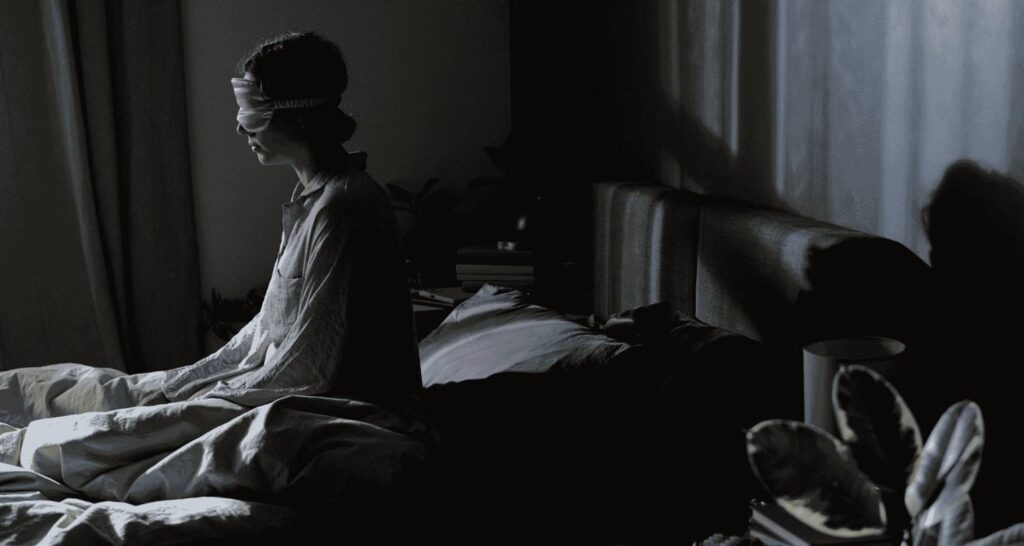
Several mechanisms appear to be involved, and no single one explains the condition fully.
Circadian phase shift. Reduced morning light delays the internal clock relative to the sleep schedule. The person is biologically in an earlier phase than the clock on the wall, which produces the sensation of never quite being awake.
Melatonin timing. The duration of melatonin secretion lengthens as nights lengthen, and in susceptible people this shift appears more pronounced.
Serotonin availability. Serotonin transporter activity varies seasonally, with reduced serotonin availability in winter months in some individuals.
Vitamin D. Levels drop with reduced sun exposure. The relationship between vitamin D and mood is genuinely unsettled in the research, and supplementation is not a reliable treatment for SAD on its own. It is still worth checking, since deficiency is common and independently affects energy.
Latitude matters. Prevalence rises with distance from the equator, which is part of why seasonal patterns are clinically relevant in New Jersey in a way they are not in Florida.
Is it this or that?
Winter-pattern or summer-pattern SAD?
| Winter pattern | Summer pattern | |
|---|---|---|
| When it happens | Starts in late fall or early winter and eases in spring and summer. This is the more common form. | Happens in spring and summer. Less common. |
| Sleep | Oversleeping. | Trouble sleeping. |
| Appetite and weight | Overeating, often with carbohydrate cravings, and weight gain. | Poor appetite and weight loss. |
| Other signs | Pulling away from people, a feeling of wanting to "hibernate." | Restlessness, agitation, anxiety, and sometimes aggressive behavior. |
Winter pattern
- When it happens
- Starts in late fall or early winter and eases in spring and summer. This is the more common form.
- Sleep
- Oversleeping.
- Appetite and weight
- Overeating, often with carbohydrate cravings, and weight gain.
- Other signs
- Pulling away from people, a feeling of wanting to "hibernate."
Summer pattern
- When it happens
- Happens in spring and summer. Less common.
- Sleep
- Trouble sleeping.
- Appetite and weight
- Poor appetite and weight loss.
- Other signs
- Restlessness, agitation, anxiety, and sometimes aggressive behavior.
Both come with the usual symptoms of depression too. SAD isn't the same as the "holiday blues": it's tied to changes in daylight, not to the stresses of a time of year (NIMH). General information, not a diagnosis.
What Actually Helps
Light therapy has been a mainstay of treatment for winter-pattern SAD since the 1980s. The standard protocol is a 10,000 lux light box used for approximately 30 minutes shortly after waking, positioned so light reaches the eyes indirectly rather than being looked at directly. Timing matters more than most people realize — morning use is what produces the circadian shift, and evening use can worsen sleep. Response typically appears within one to two weeks. Anyone with bipolar disorder should discuss light therapy with a prescriber before starting, since it can precipitate elevated mood.
Antidepressant medication is effective, and SSRIs are commonly used. For people with an established, predictable pattern, starting medication before the usual onset — rather than after symptoms arrive — is a recognized preventive strategy worth discussing.
Cognitive Behavioral Therapy adapted for SAD has evidence comparable to light therapy, with some data suggesting more durable benefit across subsequent winters. It addresses both behavioral withdrawal and the specific thought patterns that develop around the season.
Behavioral and environmental adjustments matter alongside treatment: consistent wake time regardless of darkness, morning outdoor light exposure when possible, and maintaining social contact and physical activity through the months when both tend to contract.
Because SAD is predictable, it is one of the more manageable presentations of depression — provided the pattern is identified. For adults across New Jersey, that identification is often the main value of an evaluation.
Myth or fact? Treating SAD
Choose an answer for each to see the explanation. Nothing is saved.
1A light box is usually used first thing in the morning.
Fact. The usual approach is sitting in front of a 10,000 lux light box for about 30 to 45 minutes each day, usually first thing in the morning, from fall to spring. Check with a provider first if you have an eye condition or take a medicine that makes you more sensitive to light.
2Vitamin D supplements are a proven treatment for SAD on their own.
Myth. Studies of vitamin D for SAD have had mixed results: some found a benefit and others found none. It's still worth having your level checked, and tell your provider about any supplements, since vitamin D can interact with some medications.
3Talk therapy can work as well as light therapy for winter SAD.
Fact. When researchers compared CBT adapted for SAD with light therapy, both worked equally well, though some symptoms improved a little faster with light. A study that followed people for two winters found the benefits of CBT seemed to last longer.
Frequently Asked Questions
How do I know if I have seasonal affective disorder or just dislike winter?
The distinction is functional impairment and pattern. Disliking winter is a preference. SAD involves a full depressive episode — significant changes in sleep, appetite, energy, concentration, and interest that impair work, relationships, or daily functioning — recurring at the same time of year for at least two consecutive years. If winter reliably produces changes that affect how you function rather than just how you feel about the weather, that is worth evaluating.
Does light therapy actually work?
Light therapy has been a mainstay of treatment for winter-pattern SAD since the 1980s, and in a direct comparison it worked about as well as CBT adapted for SAD. The details matter: a 10,000 lux box, roughly 30 minutes, used in the morning shortly after waking. Evening use can disrupt sleep. Most people who notice benefit notice it within one to two weeks. If you have bipolar disorder, discuss it with a prescriber first.
What happens at a first psychiatric appointment in NJ for seasonal depression?
A thorough evaluation looks backward across multiple years rather than only at current symptoms. It establishes when episodes have started and remitted, whether the pattern has repeated, whether there have been non-seasonal episodes, and whether there is any history of elevated mood. That history is what distinguishes a seasonal pattern from depression that happens to be occurring in winter, and the two are managed somewhat differently.
Can seasonal depression be prevented?
Sometimes. Because the pattern is predictable, preventive approaches are possible in a way they are not for most depression. Starting light therapy in early fall before symptoms typically begin, or beginning medication ahead of the usual onset, are both recognized strategies for people with a well-established pattern. Prevention is not universally effective, but it is a reasonable discussion to have in late summer rather than in December.
If the same weeks each year reliably bring a change in your sleep, energy, and functioning, that pattern is treatable and worth identifying before the next one begins.
This article is for general educational purposes only. It does not constitute medical advice, does not establish a provider-patient relationship, and is not a substitute for individual evaluation, diagnosis, or treatment by a qualified clinician. If you’re in crisis or thinking about harming yourself, call or text 988 (Suicide & Crisis Lifeline), any time, day or night. In an emergency, call 911 or go to the nearest emergency room.
The science: how we checked this
Sources
- National Institute of Mental Health: Seasonal Affective Disorder
- NHS: Seasonal affective disorder (SAD)
How we checked this
- Winter- and summer-pattern symptoms, the 2-year diagnostic pattern, the difference from the holiday blues, how light therapy is used, the mixed vitamin D results, and how CBT-SAD compared with light therapy: NIMH.
- Checking with a provider before light therapy if you have an eye condition or take light-sensitizing medicines: NIMH and NHS.
- Written in our own words from the sources above.


