Quick answer
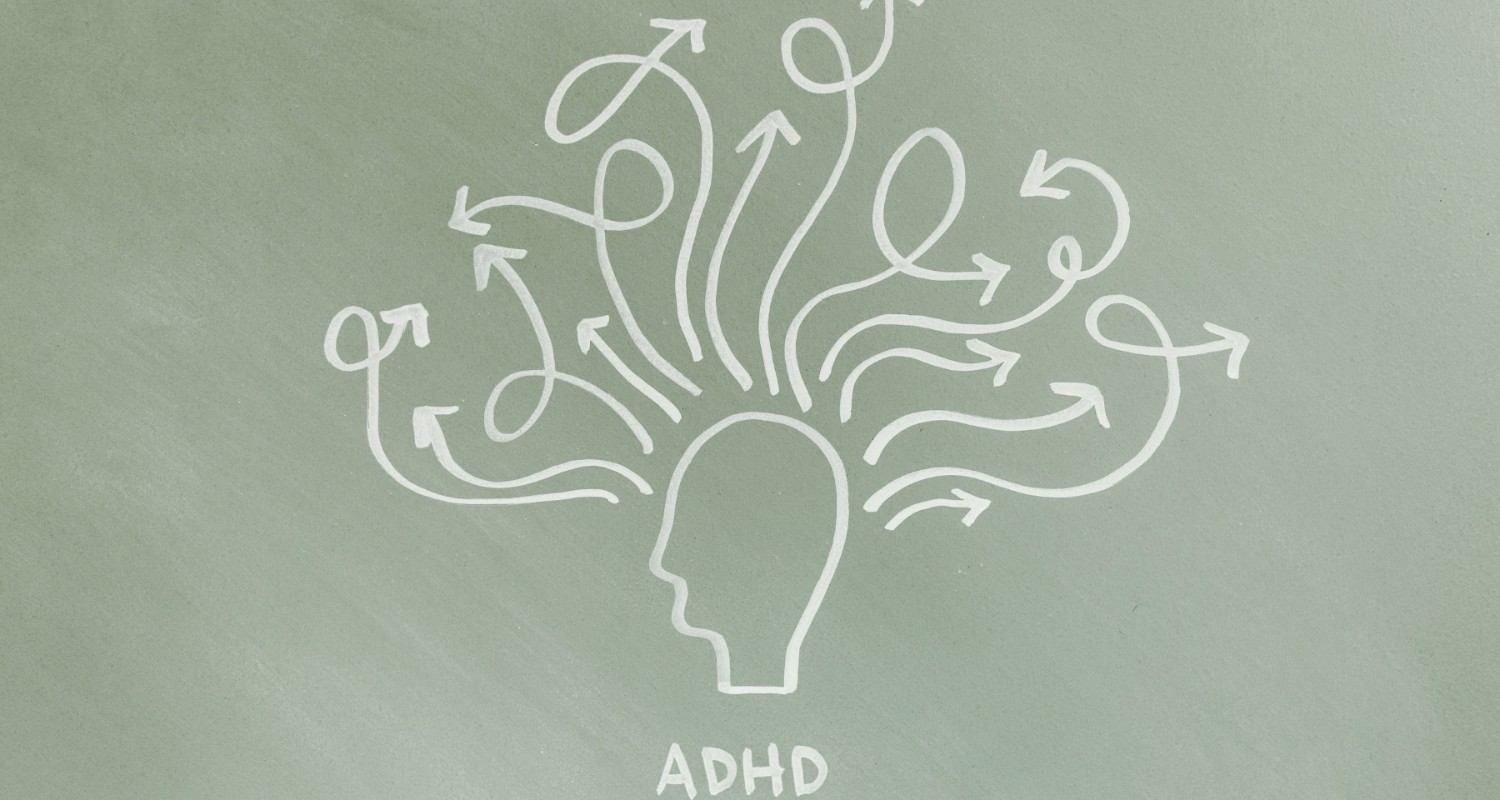
Emotional dysregulation means emotions that arrive fast, feel bigger than the situation, and take longer than expected to settle. It isn't part of the official ADHD symptom list, but research finds it common in ADHD at every age and a major source of problems in daily life. Because intense emotions also show up in bipolar disorder, borderline personality disorder and trauma, a careful history matters. It is treatable, usually with a mix of approaches rather than one fix.
Key takeaways
- Emotional dysregulation in ADHD means fast, intense emotional reactions that take longer than expected to settle.
- It isn't part of the formal ADHD criteria, so it's often missed or mistaken for personality or another condition.
- The difficulty is a timing mismatch between brain systems, which is why insight alone doesn't stop it.
- Skills training, noticing early physical signals, looking after sleep, food and pacing, and repairing relationships can all help.
When people think about ADHD, they think about attention. One dimension that causes real trouble in adult life, and is often left unaddressed, is emotional dysregulation: rapid, intense emotional responses that arrive without warning and take longer than expected to resolve.
It is not in the DSM-5 criteria for ADHD, which is a substantial part of why it goes unaddressed. Clinically it is well described, common, and treatable, and it is frequently what adults are actually describing when they seek out adult psychiatry in New Jersey for something they cannot quite name.
What It Looks Like
Rapid onset. Emotions arrive at full intensity rather than building. There is little warning and little opportunity to intervene early.
Disproportionate intensity. The response exceeds what the situation warrants, often in a way the person recognizes immediately afterward.
Slow return to baseline. Recovery takes longer than expected. An episode in the morning can affect the rest of the day.
Low frustration tolerance. Minor obstacles — technology failing, plans changing, being interrupted — produce responses out of proportion to the stakes.
Rejection sensitivity. Intense pain in response to perceived criticism or rejection, frequently disproportionate to the actual event.
Emotional impulsivity. Acting on the emotion before evaluating it. Sending the message, saying the thing, leaving the situation.
The pattern is not that people with ADHD feel the wrong emotions. The emotions are usually appropriate in kind. What differs is the speed of onset, the intensity, and the duration.
Why It Happens
The same executive systems that regulate attention regulate emotion.
Emotional regulation depends on the prefrontal cortex modulating limbic responses — supplying context, evaluating proportion, and inhibiting immediate action. In ADHD, prefrontal function is less reliably available. The limbic response arrives on schedule; the modulating response arrives late or incompletely.
This explains the specific phenomenology. The person is not failing to understand that their reaction is disproportionate. They frequently understand it clearly and slightly too late — the recognition arrives after the response rather than before it.
It also explains why insight does not resolve it. The problem is not a deficit of understanding. It is a timing mismatch between two systems.
Is it this or that?
ADHD, bipolar disorder, or borderline personality disorder?
| ADHD emotional reactions | Bipolar mood episodes | Borderline personality disorder | |
|---|---|---|---|
| How long it lasts | Comes on fast and resolves fairly quickly, though one flare can color the rest of the day. | Episodes last a week or two, or sometimes longer, with symptoms most of the day, every day. | Intense, quickly shifting moods, with episodes lasting from a few hours to a few days. |
| What sets it off | Usually a clear event: criticism, a change of plans, an interruption, technology failing. | Episodes aren't tied to a specific event in the same way, and they come with clear changes in energy and activity. | Often relationships, including a strong fear of being abandoned or rejected. |
| Between episodes | A full return to baseline, alongside a lifelong pattern of trouble with attention and organization that starts in childhood. | Mood usually returns to a healthy baseline. | An unstable sense of self and long-running feelings of emptiness. |
ADHD emotional reactions
- How long it lasts
- Comes on fast and resolves fairly quickly, though one flare can color the rest of the day.
- What sets it off
- Usually a clear event: criticism, a change of plans, an interruption, technology failing.
- Between episodes
- A full return to baseline, alongside a lifelong pattern of trouble with attention and organization that starts in childhood.
Bipolar mood episodes
- How long it lasts
- Episodes last a week or two, or sometimes longer, with symptoms most of the day, every day.
- What sets it off
- Episodes aren't tied to a specific event in the same way, and they come with clear changes in energy and activity.
- Between episodes
- Mood usually returns to a healthy baseline.
Borderline personality disorder
- How long it lasts
- Intense, quickly shifting moods, with episodes lasting from a few hours to a few days.
- What sets it off
- Often relationships, including a strong fear of being abandoned or rejected.
- Between episodes
- An unstable sense of self and long-running feelings of emptiness.
These can overlap: borderline personality disorder often occurs alongside ADHD or bipolar disorder (NIMH). This comparison is general information, not a diagnosis. Only an evaluation with a qualified provider can tell you what's going on.
Why It Is Frequently Missed or Misattributed

It is not in the diagnostic criteria. Screening instruments cover inattention and hyperactivity-impulsivity. Emotional dysregulation is not asked about, so it is not reported.
It gets attributed to personality. Being described as intense, dramatic, or having a short fuse. These framings locate the problem in character rather than in a treatable process.
It gets attributed to other conditions. Emotional dysregulation appears in borderline personality disorder, bipolar disorder, and trauma responses. Distinguishing ADHD-related dysregulation from these requires history and pattern rather than symptom matching. In ADHD, the responses are typically triggered by identifiable events, resolve completely between episodes, and occur alongside a lifelong pattern of executive difficulty — features that differ meaningfully from mood episodes in bipolar disorder or the identity instability of borderline personality disorder.
It produces shame. People with this pattern usually know their responses are disproportionate and feel considerable shame about it, which makes disclosure less likely. Adults frequently mention it only when asked directly, which is part of what people mean when they look for a psychiatrist who listens in NJ.
Check your understanding
Three quick questions
1In ADHD, what usually makes emotional reactions different?
The emotions are usually appropriate in kind. What differs is the speed of onset, the intensity and the duration.
2Why doesn't understanding that a reaction is too big make it stop?
The problem isn't a lack of understanding. It's a timing mismatch: the emotional response arrives at full strength while the systems that would add context and slow things down arrive late.
3Why is emotional dysregulation in ADHD often missed?
Standard ADHD screening asks about inattention and hyperactivity-impulsivity, not emotions. Many adults feel ashamed of their reactions and mention them only when asked directly.
The Functional Cost

Research describes this dimension as a major contributor to the problems ADHD causes in daily life.
Relationships absorb the most damage. Partners and children experience the intensity, and the pattern erodes trust over time regardless of how much remorse follows.
Careers are affected through conflict, reputation, and decisions made in emotional states. Emotional impulsivity produces resignations, confrontations, and messages that are difficult to undo.
And the internal cost accumulates. Years of disproportionate responses followed by shame produces a durable belief about oneself that persists independently of the episodes.
What Actually Helps
Medication. In studies of adults, ADHD medications reduced emotional symptoms moderately, though less than they improved attention. The non-stimulant atomoxetine has also been studied for emotional symptoms in adults with ADHD, with moderate benefit.
Skills training. Dialectical Behavior Therapy skills — distress tolerance, emotion regulation, and interpersonal effectiveness — were first developed for borderline personality disorder to help people manage intense emotions, and DBT-based skills groups have since been tried with adults with ADHD. The goal is not preventing the emotion. It is creating enough space between the emotion and the action to allow a choice.
Recognizing the physical signal. The emotional surge usually has a physical precursor — heat, tension, a change in breathing — that precedes conscious awareness slightly. Learning to notice it produces a small window that did not previously exist.
Structural prevention. Because the threshold is lower when depleted, sleep, food, and pacing meaningfully affect frequency. This is not a substitute for treatment, but the effect is not marginal.
Repair. Relationships damaged by the pattern require direct repair. Naming the mechanism to the people affected — that the intensity reflects a regulation difficulty rather than the depth of feeling about them — changes how it is received.
For adults across New Jersey, the useful outcome is not the elimination of intense emotion. It is a shorter gap between the response and the recognition, and enough space in that gap to act differently.
Before your evaluation
What to tell your provider about your emotions
Tick what fits you, then copy your list to bring to your appointment. Nothing is saved or sent.
Frequently Asked Questions
Is emotional dysregulation part of ADHD?
It is not included in the DSM-5 diagnostic criteria, which is a significant reason it goes unaddressed. Clinically it is well described, common in adults with ADHD, and understood to arise from the same executive function difficulties that affect attention. The prefrontal systems that modulate emotional responses are the same ones that are less reliably available in ADHD, which is why the two dimensions travel together.
How is this different from bipolar disorder?
The pattern differs meaningfully. ADHD-related emotional responses are typically triggered by identifiable events, arrive and resolve rapidly, and return fully to baseline between episodes. Bipolar mood episodes last days to weeks, are not tied to specific triggers in the same way, and involve sustained changes in energy, sleep, and functioning. Distinguishing them requires history and pattern rather than symptom matching, and getting it right changes treatment substantially.
Does ADHD medication help with emotional dysregulation?
For many adults, yes. In studies of adults, ADHD medications reduced emotional symptoms moderately, though less than they improved attention. Medication alone often isn’t the whole answer, and many adults benefit from adding skills training.
Why do I know my reaction is too big and still cannot stop it?
Because the difficulty is not a deficit of understanding. It is a timing mismatch: the limbic response arrives at full intensity while the prefrontal systems that would supply context and inhibit action arrive late. Recognition frequently occurs immediately after the response rather than before it. This is why insight alone does not resolve the pattern, and why interventions that create a small gap — noticing physical precursors, distress tolerance skills, medication — are what actually help.
If intense emotional responses have cost you more than the attention difficulties ever did, that dimension is treatable — and it is worth raising directly rather than waiting to be asked.
This article is for general educational purposes only. It does not constitute medical advice, does not establish a provider-patient relationship, and is not a substitute for individual evaluation, diagnosis, or treatment by a qualified clinician. If you’re in crisis or thinking about harming yourself, call or text 988 (Suicide & Crisis Lifeline), any time, day or night. In an emergency, call 911 or go to the nearest emergency room.
The science: how we checked this
Sources
- Shaw P, et al. Emotion dysregulation in attention deficit hyperactivity disorder. American Journal of Psychiatry, 2014
- National Institute of Mental Health: Attention-Deficit/Hyperactivity Disorder
- National Institute of Mental Health: Bipolar Disorder
- National Institute of Mental Health: Borderline Personality Disorder
How we checked this
- Emotional dysregulation being common in ADHD throughout life and a major contributor to impairment: Shaw et al., American Journal of Psychiatry (2014).
- ADHD symptoms beginning in childhood and continuing into adulthood: NIMH.
- How long bipolar mood episodes last, the changes in energy and activity, and mood returning to baseline between episodes: NIMH, Bipolar Disorder.
- Mood episodes lasting hours to days, fear of abandonment, unstable sense of self, emptiness, and co-occurrence with ADHD and bipolar disorder: NIMH, Borderline Personality Disorder.
- The quiz answers, the checklist and the ADHD column's triggers sum up this article's own explanation.
- Written in our own words from the sources above.
ADHD care at ANK: We evaluate ADHD in adults and can consider non-stimulant medication options when appropriate, along with treating the anxiety, depression, sleep and mood concerns that often come with it. We don't prescribe stimulants or other Schedule II controlled medications (such as Adderall, Vyvanse, Ritalin or Concerta). Your provider will talk with you about which options fit you.

Clinically reviewed by
Alyssa Killion, MSN, APN, PMHNP-BC
Board-certified psychiatric mental health nurse practitioner and founder of ANK Behavioral Health, providing telehealth psychiatric care to adults across New Jersey.
Written by ANK Behavioral Health. Reviewed on October 26, 2026.