
Quick answer
Anxiety often shows up in the body first: muscle tension, headaches, stomach trouble, a racing heart, poor sleep and fatigue. These symptoms are real; they come from the body's stress response staying switched on. Because they look physical, people often go through medical tests before anyone asks about anxiety. The best approach is both: get a medical check for symptoms that need one, and have anxiety evaluated too, because treating it often eases the physical symptoms.
Key takeaways
- Anxiety can cause headaches, muscle aches, stomachaches, tension, trouble sleeping and fatigue.
- These symptoms are real. They come from the body's stress response staying switched on.
- Physical symptoms often bring people to medical care long before anyone considers anxiety.
- A medical check and an anxiety evaluation can both be the right step.
Most people think of anxiety as something that happens in the mind. Racing thoughts. Worry. A sense of dread or unease. And anxiety does involve all of those things. But for a significant number of people, the mind symptoms are not the first thing they notice. The body symptoms are.
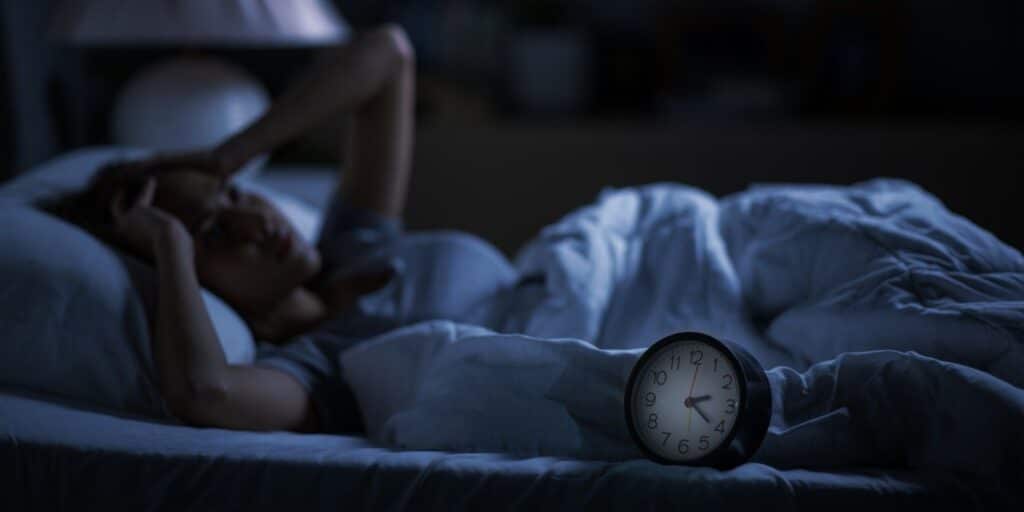
Chest tightness that comes and goes without explanation. Muscle tension that never quite releases, particularly in the neck, shoulders, and jaw. Headaches that seem to come from nowhere. Stomach discomfort — nausea, cramping, a vague unsettled feeling — that is not clearly connected to anything you ate. Fatigue that does not improve with sleep. A heart that beats faster than the situation warrants. And sleep that is disrupted — difficulty falling asleep, waking in the night, or lying in bed with a body that will not settle even when the mind has quieted.
These are not imaginary symptoms. They are not signs of weakness or hypochondria. They are the body’s genuine, measurable response to a nervous system that is staying in a more activated state than it should — and they are one of the most common ways anxiety presents in clinical practice, particularly in people who have never thought of themselves as anxious.
Why Anxiety Produces Physical Symptoms
Understanding why anxiety produces physical symptoms requires understanding what the anxiety response actually is at a physiological level.
Anxiety activates the body’s stress response — the same system that evolved to help humans survive genuine physical threats. When a threat is perceived, the hypothalamic-pituitary-adrenal axis activates and the sympathetic nervous system shifts into high gear. Cortisol and adrenaline are released. Heart rate increases. Breathing becomes faster and shallower. Muscles tense in preparation for action. Digestion slows — because digesting food is not a priority when survival is at stake. The immune response is temporarily suppressed. Blood flow is redirected toward the large muscle groups needed for fight or flight.
This system is extraordinarily effective at what it was designed for. The problem is that it was designed for acute, time-limited physical threats — not for the chronic, psychological stressors that characterize modern anxiety. When the threat is not a predator that will either catch you or not within the next few minutes, but a persistent worry about work, health, relationships, or the future, the stress response has no clear endpoint. It stays activated. And a system designed for brief, intense deployment produces very different effects when it runs continuously.
Chronically elevated cortisol affects immune function, cardiovascular health, and sleep architecture. Sustained muscle tension produces pain — particularly in the neck, shoulders, upper back, and jaw, which are among the first places the body holds stress. Fast, shallow breathing can contribute to chest tightness and to feeling lightheaded or out of breath. Sustained suppression of digestive function produces the gastrointestinal symptoms that bring many anxious people to their primary care provider before they ever see a mental health professional.
Why Physical Symptoms of Anxiety Are So Frequently Missed

There is a predictable and frustrating pattern that plays out regularly for people whose anxiety expresses itself primarily through physical symptoms. It goes something like this:
The person notices persistent physical symptoms — chest discomfort, headaches, fatigue, gastrointestinal problems — and reasonably concludes that something is medically wrong. They see their primary care provider. Blood work is ordered. An EKG is done. Perhaps additional testing follows. Everything comes back normal. The provider, finding no structural explanation, may offer reassurance that nothing is wrong — which provides temporary relief but does not address the ongoing symptoms, because the symptoms are real and their cause has not been identified or treated.
The person may cycle through multiple providers and multiple workups before anxiety is considered. Or they may be told that the symptoms are “just stress” in a way that minimizes rather than explains — leaving them without a framework for understanding what is happening or what to do about it.
This pattern has real consequences. It delays appropriate treatment. It can be expensive and time-consuming. It often produces additional anxiety — because unexplained physical symptoms are themselves a source of worry, which further activates the nervous system, which produces more physical symptoms. And it leaves people feeling dismissed or confused rather than helped.
The missing piece is almost always the same: asking whether anxiety could be driving the physical symptoms, taking that possibility seriously as a clinical hypothesis rather than a conclusion of exclusion, and evaluating it with the same thoroughness applied to medical explanations.
Myth or fact? Anxiety and your body
Choose an answer for each to see the explanation. Nothing is saved.
1If my tests come back normal, my physical symptoms must be in my head.
Myth. Anxiety itself can cause pain such as headaches, muscle aches and stomachaches, along with trouble sleeping and fatigue. Normal tests don't make those symptoms imaginary; they may point to anxiety as the driver.
2Anxiety can make your heart race and your chest feel tight.
Fact. A pounding or racing heart, chest pain and trouble breathing can all happen with anxiety and panic attacks. But don't assume: call 911 if you have sudden crushing, squeezing, tightening or pressure in your chest.
3Once I know I have anxiety, new physical symptoms don't need to be checked.
Myth. Some medical conditions cause symptoms that look a lot like anxiety. An overactive thyroid, for example, can cause nervousness, a racing heartbeat, trouble concentrating and sleep problems. Anxiety and a medical condition can also exist together.
The Body Systems Most Affected by Chronic Anxiety
Chronic anxiety does not affect all body systems equally. Some are particularly sensitive to the effects of sustained stress response activation, and understanding which ones helps explain the physical symptom patterns that most commonly bring anxious people to medical attention.
The musculoskeletal system is one of the most consistently affected. Anxiety produces sustained muscle tension — a preparatory state of readiness that makes sense in the context of acute threat and produces pain and stiffness when maintained chronically. Tension headaches, neck pain, shoulder tightness, jaw clenching and grinding, and upper back pain are all extremely common physical manifestations of chronic anxiety. Many people spend years treating these symptoms with physical interventions — massage, chiropractic care, over-the-counter pain relief — without addressing the anxiety driving them.
The gastrointestinal system is profoundly sensitive to the state of the nervous system — a relationship reflected in the extensive neural connections between the gut and the brain, sometimes called the gut-brain axis. Anxiety slows or disrupts normal digestive motility and sensitizes the gut to stimuli that would not otherwise be problematic. Irritable bowel syndrome has strong associations with anxiety disorders, and anxiety is more common in people with functional gastrointestinal symptoms (symptoms without a clear structural explanation).
The cardiovascular system responds directly to sympathetic nervous system activation. Elevated heart rate, palpitations, chest tightness, and in some cases elevated blood pressure are all common features of significant anxiety. These symptoms are among the most alarming for the people experiencing them — chest symptoms and palpitations are understandably interpreted as cardiac in origin — and they are among the most common reasons anxious people end up in emergency departments and cardiology offices before a psychiatric explanation is considered.
Sleep is disrupted by anxiety through multiple mechanisms. The activated nervous system does not easily transition to rest. Cortisol levels that are chronically elevated can disrupt sleep architecture, reduce slow-wave sleep, and increase the likelihood of waking. The result is sleep that feels non-restorative even when its duration is adequate — leaving the person more fatigued, more emotionally reactive, and more physiologically activated the following day, which further disrupts the next night’s sleep.
What Happens to the Body When Anxiety Is Treated
One of the most useful pieces of information for someone dealing with physical symptoms of anxiety is what actually happens to those symptoms when the anxiety is effectively treated. Because the answer is often dramatic — and it is one of the clearest pieces of evidence that the symptoms were driven by the anxiety all along.
When the nervous system begins to come out of chronic activation — whether through therapy, medication, behavioral changes, or some combination — the downstream physical effects begin to resolve. Muscle tension decreases. Sleep architecture improves and sleep becomes more restorative. Gastrointestinal symptoms often resolve or significantly improve. Headache frequency and intensity typically decrease. Fatigue improves as sleep quality improves and the physiological cost of constant nervous system activation is reduced.
This resolution happens not because the symptoms were imaginary, but because the driver of the symptoms has been addressed. The body was responding accurately to the state of the nervous system. When the nervous system changes, the body follows.
For many people, this resolution of physical symptoms is one of the most meaningful aspects of anxiety treatment — sometimes more concretely felt than changes in mood or thought patterns, which can be harder to track. The absence of the headache that used to be there every day. The ability to eat without discomfort. Waking up actually rested. These are not minor outcomes. They represent a genuine return to a body that is not constantly working against itself.
Symptom list
Body symptoms to bring up with your provider
Tick the ones you've noticed, then copy your list to share at your next visit. Nothing is saved or sent.
When Physical Symptoms Should Still Be Evaluated Medically

None of what is written here should be read as suggesting that physical symptoms should be attributed to anxiety without appropriate medical evaluation. Many of the symptoms described above can also be produced by medical conditions that deserve their own diagnosis and treatment. Thyroid disorders, cardiac arrhythmias, anemia, inflammatory conditions, and other medical causes of physical symptoms should be ruled out — not assumed absent because anxiety is present.
The appropriate clinical approach is both and, not either or. Medical evaluation is appropriate when symptoms warrant it. Anxiety should be considered as a contributing or primary explanation when medical evaluation does not identify a structural cause, particularly when the symptom pattern is consistent with the physiology of chronic stress response activation described here. Both can be true simultaneously — a person can have genuine anxiety-driven physical symptoms and a medical condition that also warrants attention.
What matters is that anxiety is considered and evaluated rather than left off the differential because the person does not initially present with prominent psychological symptoms.
If you have been dealing with physical symptoms — tension, sleep disruption, gastrointestinal problems, fatigue, headaches — that have not found a clear medical explanation, anxiety may be what is driving them. At ANK Behavioral Health, we look at the full picture, including how the nervous system is affecting the body.
The science: how we checked this
Sources
- National Institute of Mental Health: Generalized Anxiety Disorder
- National Institute of Mental Health: Panic Disorder
- National Institute of Mental Health: I'm So Stressed Out! Fact Sheet
- MedlinePlus: Chest pain
- MedlinePlus: Hyperthyroidism
How we checked this
- Written in our own words from the sources above.
- Physical symptoms of anxiety (pain, sleep, fatigue, trembling, sweating, feeling out of breath or lightheaded, bathroom trips) and the physical exam to rule out other causes: NIMH, Generalized Anxiety Disorder.
- Racing heart, chest pain and trouble breathing during panic attacks: NIMH, Panic Disorder.
- When ongoing anxiety affects sleep and the body's systems: NIMH, I'm So Stressed Out! Fact Sheet.
- When to call 911 for chest symptoms: MedlinePlus, Chest pain.
- Thyroid symptoms that can look like anxiety: MedlinePlus, Hyperthyroidism.
- Physical symptoms bringing people to medical care first, and checking for both a medical cause and anxiety, restate this article's own explanation.
Live in New Jersey? Start your intake packet.

Clinically reviewed by
Alyssa Killion, MSN, APN, PMHNP-BC
Board-certified psychiatric mental health nurse practitioner and founder of ANK Behavioral Health, providing telehealth psychiatric care to adults across New Jersey.
Written by ANK Behavioral Health. Reviewed on October 27, 2026.